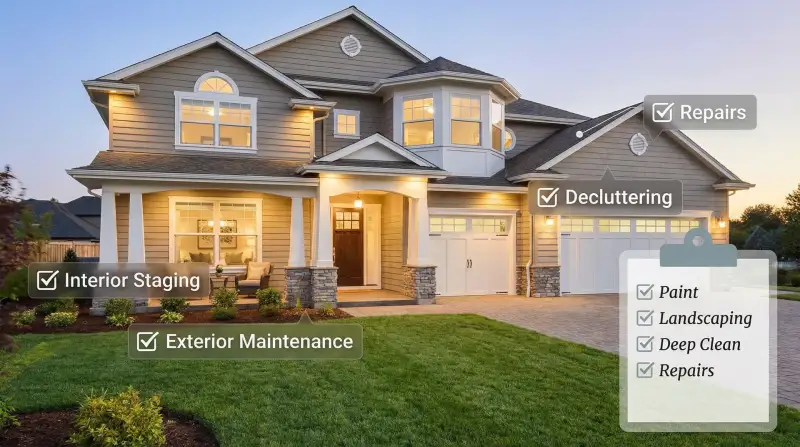
Preparing an estate home for sale is a unique undertaking that requires careful planning, sensitivity, and a systematic approach. Unlike a typical home sale where the owner is actively involved, estate properties often need more attention to bring them up to market standards. Homes that have been lived in for decades may have deferred maintenance, dated finishes, and a lifetime of personal belongings that need to be sorted, donated, or distributed to family members.
The good news is that with a structured plan, even the most challenging estate property can be transformed into an attractive listing that appeals to today's buyers. This five-phase checklist covers everything from the initial assessment through to marketing and listing, providing a realistic timeline and actionable steps for each stage of the process.
Phase 1: Initial Assessment (Weeks 1-2)
Before any work begins, it is essential to understand the current condition of the property and identify what needs to be addressed. This assessment phase sets the foundation for all subsequent decisions and helps the executor develop a realistic budget and timeline.
Professional Home Inspection: Hire a licensed home inspector to conduct a thorough evaluation of the property. The inspection should cover the roof, foundation, electrical system, plumbing, HVAC, windows, insulation, and all major structural components. The inspector's report will identify any significant deficiencies that must be addressed before listing and help you prioritize repairs based on severity and impact on marketability. Expect to pay between $400 and $600 for a comprehensive inspection of a typical single-family home in White Rock.
Professional Appraisal: Obtain an independent appraisal to establish the property's current market value. This is important not only for setting a listing price but also for estate accounting purposes and potential tax implications. The appraisal should account for the property's current condition, comparable sales in the neighborhood, and any unique features or deficiencies. An appraisal for a residential property typically costs between $300 and $500.
Environmental Assessment: For older homes, particularly those built before 1990, consider testing for asbestos, lead paint, and other environmental hazards. Estate homes in White Rock were often built during eras when these materials were commonly used. Identifying and addressing environmental issues early prevents surprises during the buyer's due diligence and protects the executor from potential liability. If hazardous materials are found, obtain quotes from certified remediation contractors before deciding on a course of action.
Phase 2: Essential Repairs (Weeks 2-6)
Based on the findings from Phase 1, develop a prioritized repair plan that focuses on issues that will have the greatest impact on the property's marketability and value. Not every issue needs to be fixed, but addressing critical items demonstrates that the home has been well cared for and reduces the likelihood of buyers negotiating steep discounts.
Structural and Foundation: Address any foundation cracks, settling, or drainage issues identified in the inspection. Structural problems are among the most serious red flags for buyers and can significantly reduce offers or cause deals to fall through entirely. Even minor foundation issues should be evaluated by a structural engineer and repaired if recommended. Proper grading and drainage around the foundation can prevent water infiltration and protect the home's structural integrity.
Roof: Inspect the roof for missing or damaged shingles, leaks, and signs of wear. If the roof is nearing the end of its useful life, consider whether a full replacement or targeted repairs are more appropriate. A new roof can be a significant selling point, while a visibly deteriorating roof will deter buyers. At minimum, ensure that all leaks are repaired and that the roof is functional and watertight.
Electrical System: Ensure the electrical panel is up to code and that all outlets, switches, and fixtures are functioning properly. Older homes may have outdated wiring, aluminum wiring, or insufficient capacity for modern electrical demands. While a full rewiring may not be necessary, addressing any safety hazards and ensuring the panel meets current standards is essential. Replace any burnt-out light bulbs and repair non-functioning switches or outlets throughout the home.
Plumbing: Check for leaks, running toilets, slow drains, and water pressure issues. Replace any corroded or leaking fixtures, and ensure that all faucets and toilets operate smoothly. If the home has galvanized steel pipes, which are common in older homes, have a plumber assess their condition and recommend any necessary replacements. Buyers and their inspectors will pay close attention to plumbing, so addressing issues proactively is worthwhile.
HVAC: Service the furnace and air conditioning system, replace filters, and ensure everything is operating efficiently. If the HVAC system is outdated or unreliable, consider whether replacement or repair is the better investment. A functioning, well-maintained heating and cooling system provides comfort during showings and reassures buyers that they will not face an immediate major expense after purchase.
Exterior: Repair or replace damaged siding, trim, gutters, and downspouts. Power wash the exterior walls, driveway, walkways, and deck or patio. Ensure that exterior paint is in good condition, touching up any peeling or faded areas. The exterior is the first thing buyers see, and it sets the tone for the entire showing experience. A clean, well-maintained exterior suggests that the interior has been equally well cared for.
Interior: Patch and paint walls in neutral colours, repair any damaged flooring, fix sticking doors, and address any cosmetic issues that detract from the home's presentation. Fresh paint is one of the most cost-effective improvements you can make, instantly brightening rooms and creating a clean, modern feel. Choose warm, neutral tones that appeal to the broadest range of buyers.
Phase 3: Deep Cleaning and Decluttering (Weeks 3-4)
This phase often requires the most emotional energy, as it involves sorting through a lifetime of personal belongings. Approach this process with sensitivity and give family members the opportunity to claim sentimental items before any disposals are made.
Estate Liquidators: Consider hiring a professional estate liquidator to manage the sale or donation of household contents. Estate liquidators specialize in valuing and selling furniture, collectibles, artwork, and other personal property. They can organize an estate sale, coordinate donations to charitable organizations, and arrange for the disposal of items with no resale value. This takes a significant burden off the executor and family while potentially generating additional income for the estate.
Systematic Decluttering: Work through the home room by room, sorting items into categories: keep for family, sell, donate, and dispose. Be thorough but respectful, and document any items of significant value for estate accounting purposes. Remove all personal photographs, religious items, and highly personal belongings, as these can make it difficult for potential buyers to envision themselves in the space.
Deep Cleaning: Once the home is decluttered, hire a professional cleaning service to perform a deep clean of the entire property. This should include carpet cleaning or steam cleaning, window washing inside and out, oven and appliance cleaning, bathroom scrubbing, and cleaning of light fixtures and ceiling fans. Pay particular attention to kitchens and bathrooms, as these are the areas buyers scrutinize most closely. A spotless home signals quality and care to potential buyers.
Phase 4: Staging and Presentation (Week 5)
Professional staging transforms a cleaned and repaired home into a compelling, move-in-ready property that photographs beautifully and shows well in person. For estate homes, staging is particularly important because it helps buyers see past the previous owner's style and envision the space as their own.
Remove Personal Items: Ensure all personal items, family photographs, and collections have been removed or stored. The goal is to create a neutral canvas that allows buyers to project their own lifestyle onto the space. This includes removing magnets from the refrigerator, toiletries from bathroom counters, and any items that reflect the previous owner's specific tastes or hobbies.
Arrange Furniture Thoughtfully: If using existing furniture, arrange it to create clear traffic flow and highlight the room's best features. Remove any oversized or excess pieces that make rooms feel cramped. If the existing furniture is dated or in poor condition, consider renting modern staging furniture. Professional stagers know how to arrange furniture to maximize the perceived size of each room and create inviting vignettes that photograph well.
Lighting: Maximize natural light by opening all curtains and blinds. Replace any dim or yellow-toned light bulbs with bright, warm white LED bulbs. Add floor lamps or table lamps to dark corners. Well-lit spaces feel larger, cleaner, and more welcoming. During showings, ensure every light in the home is turned on to create a bright, inviting atmosphere.
Fresh Flowers and Greenery: Place fresh flowers or simple green plants in key areas such as the entrance, kitchen counter, and dining table. These small touches add life and colour to the space without overwhelming it. Avoid strongly scented flowers that might trigger allergies. Fresh eucalyptus in the bathroom and a simple vase of white flowers on the kitchen island are classic staging choices that always look elegant.
Curb Appeal: First impressions matter enormously. Ensure the lawn is freshly mowed, garden beds are weeded and mulched, and the front entrance is clean and inviting. Add a new welcome mat, paint the front door if needed, and consider placing potted plants on either side of the entrance. In White Rock, where many estate homes have established gardens, well-maintained landscaping can be a significant selling point.
Phase 5: Marketing and Listing (Week 6+)
With the property fully prepared, it is time to bring it to market. A comprehensive marketing strategy ensures the home reaches the widest possible audience of qualified buyers.
Professional Photography: Invest in professional real estate photography with a photographer who specializes in residential property. High-quality photographs are the single most important marketing tool, as the vast majority of buyers begin their search online. The photographer should capture every room from the best angle, as well as exterior shots that highlight the home's curb appeal, yard, and any views. Twilight photography, where the home is photographed at dusk with interior lights glowing, can be particularly effective for estate homes with attractive exteriors.
Virtual Tours: In addition to still photography, consider creating a 3D virtual tour using platforms such as Matterport. Virtual tours allow out-of-town buyers and busy professionals to explore the home remotely at their own pace, which can lead to more serious and informed inquiries. Video walkthroughs narrated by the listing agent are another effective tool for showcasing the property's flow and features.
Targeted Marketing: Work with your real estate agent to develop a marketing plan that targets the most likely buyer demographics for the property. For estate homes in White Rock, this may include downsizers looking for single-level living, families attracted to established neighborhoods with mature trees and larger lots, or investors interested in properties with renovation or redevelopment potential. Marketing channels should include the Multiple Listing Service, the agent's personal network, social media advertising, email campaigns to qualified buyers, and potentially print advertising in local publications.
About the Author
The BC Estate Homes team specializes in helping executors and families navigate the complexities of estate sales in White Rock and South Surrey. With decades of combined experience in probate, real estate, and estate planning, we provide expert guidance every step of the way.